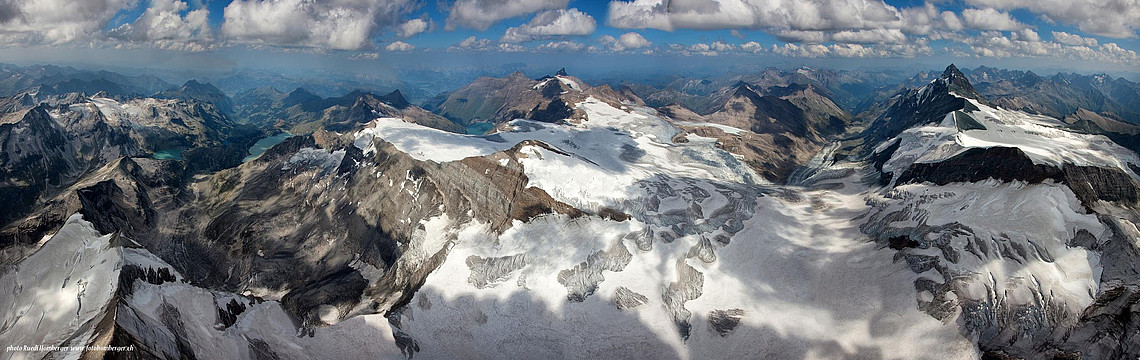
Researchers in the fields of geosciences and geotechnical engineering have consistently and interdisciplinarily developed their long-lasting collaboration over the past decade. The NAWI Graz Geocenter – currently a virtual centre, though with plans to bring the specialist disciplines together in a shared building – is a research centre unique in Austria, enabling synergies in research, teaching, practice and organisation to be utilised even more effectively.
The following disciplines are part of the NAWI Graz Geocenter
- Soil Mechanics, Foundation Engineering and Numerical Geotechnics: Prof. Franz Tschuchnigg (Graz University of Technology)
- Rock Mechanics and Tunnel Engineering: Prof. Thomas Marcher (Graz University of Technology)
- Geology: Prof. Walter Kurz (University of Graz)
- Hydrogeology: Prof. Steffen Birk (University of Graz)
- Engineering Geology: Prof. Daniel Scott Kieffer (Graz University of Technology)
- Mineralogy and Hydrogeochemistry: Prof. Martin Dietzel (Graz University of Technology)
- Palaeontology and Stratigraphy: Assoc. Prof. Gerald Auer (University of Graz)
- Petrology and Geochemistry: Prof. Christoph Hauzenberger (University of Graz)
The NAWI Graz Geocenter is coordinated by a steering committee comprising the eight heads of discipline. Since January 2026, the committee has been chaired by Franz Tschuchnigg and Steffen Birk (Deputy).
Our 8 disciplines:
Geology
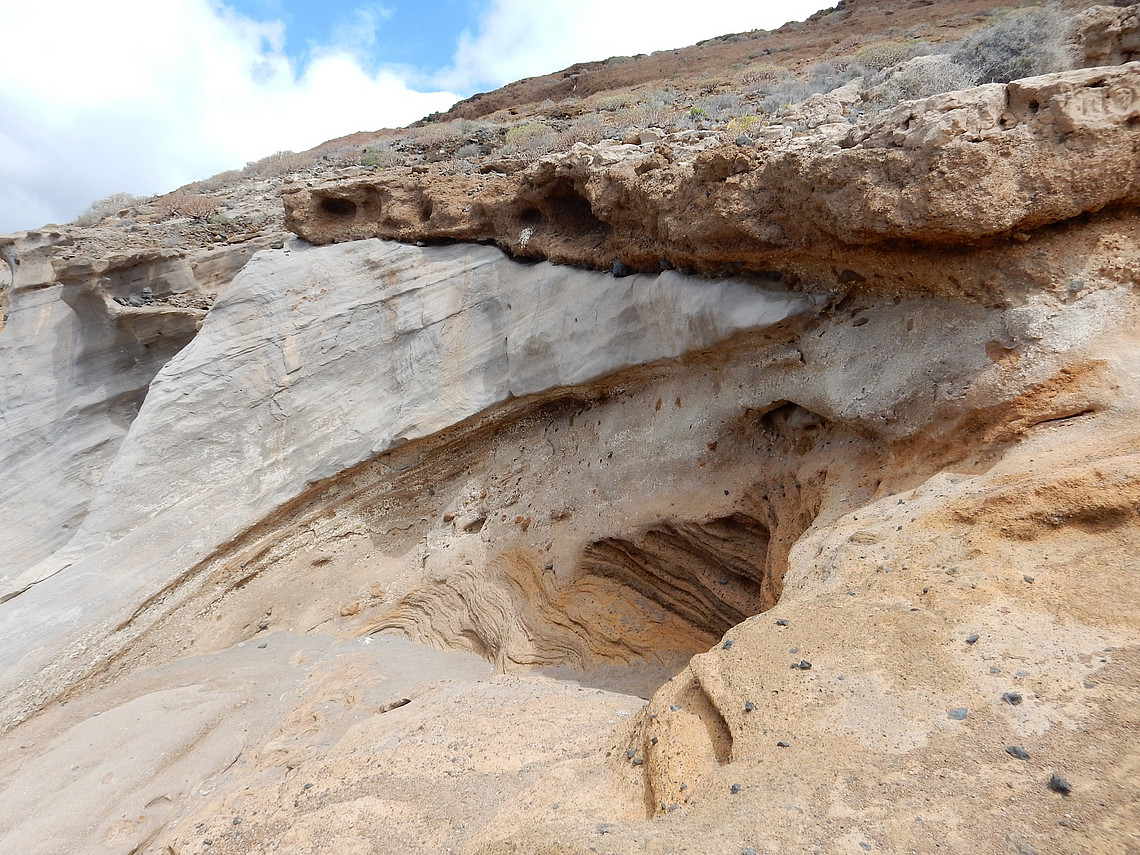
Geology studies the formation of the Earth’s crust, mountain building and surface processes. Key areas of focus include orogenesis, subduction and the interactions between tectonics, biodiversity and surface processes. Geological developments and palaeoenvironmental conditions are reconstructed using sedimentology, proxy data and modelling. Subduction zones, such as those in the Pacific, are characterised by high seismicity and severe deformation.
To the article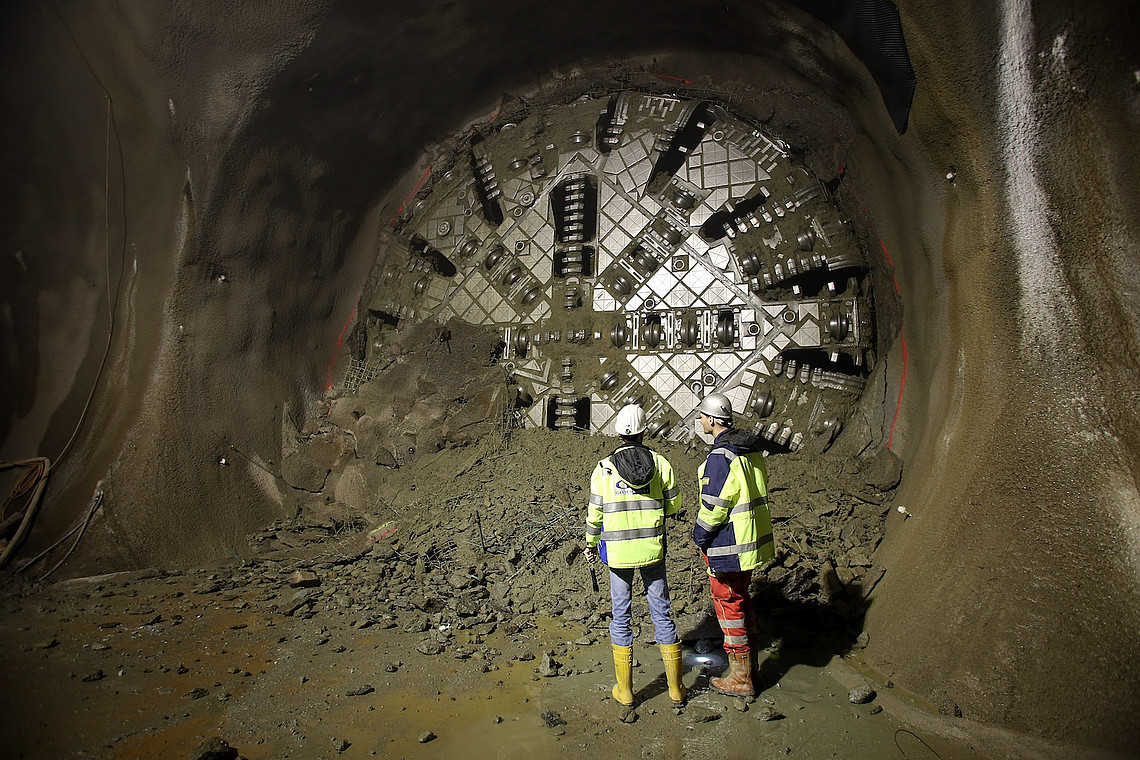
Rock mechanics and tunnelling
This discipline is dedicated to developing innovative and sustainable solutions in rock mechanics and tunnelling. Particular emphasis is placed on interdisciplinary collaboration between rock mechanics, soil mechanics and geology. Furthermore, the discipline addresses the requirements of Industry 4.0 through digitalisation and acts as a close partner to public and private stakeholders, contractors and designers.
To the article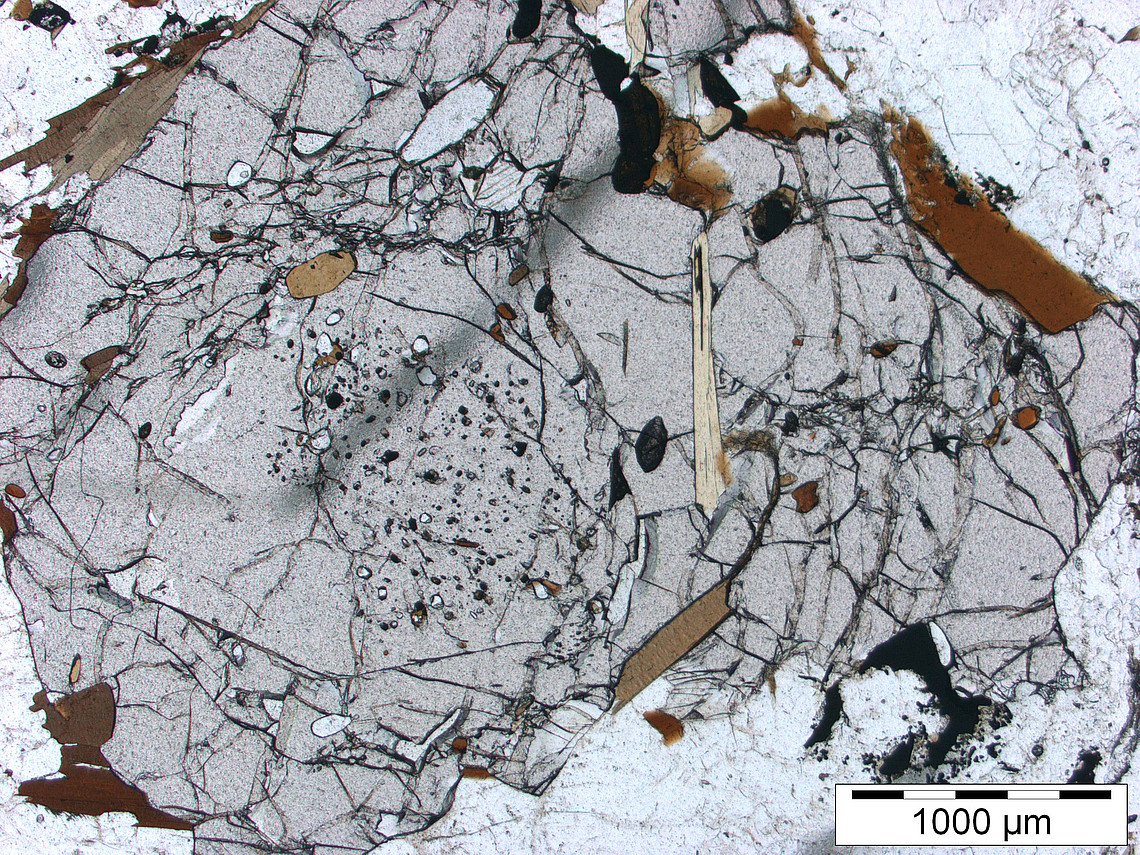
Petrology and Geochemistry
Petrology and geochemistry investigate magmatic and metamorphic processes in the Earth’s crust and mantle. Research areas include mechanisms of crust formation and crustal growth in the early history of the Earth, the influence of subduction on the Earth’s long-term geochemical cycle, the geochronological dating of magmatic, metamorphic, tectonic and ore-forming processes, mantle petrology, and gemmological investigations. Current research utilises state-of-the-art bulk and in-situ analytical techniques and is conducted in collaboration with international universities. Mineralogical applications address environmentally relevant issues, such as the release of harmful elements from rock dust and landfill sites. Interdisciplinary research into archaeological stone artefacts and their mineral raw materials combines petrological, geochemical and mineralogical methods with archaeological questions.
To the article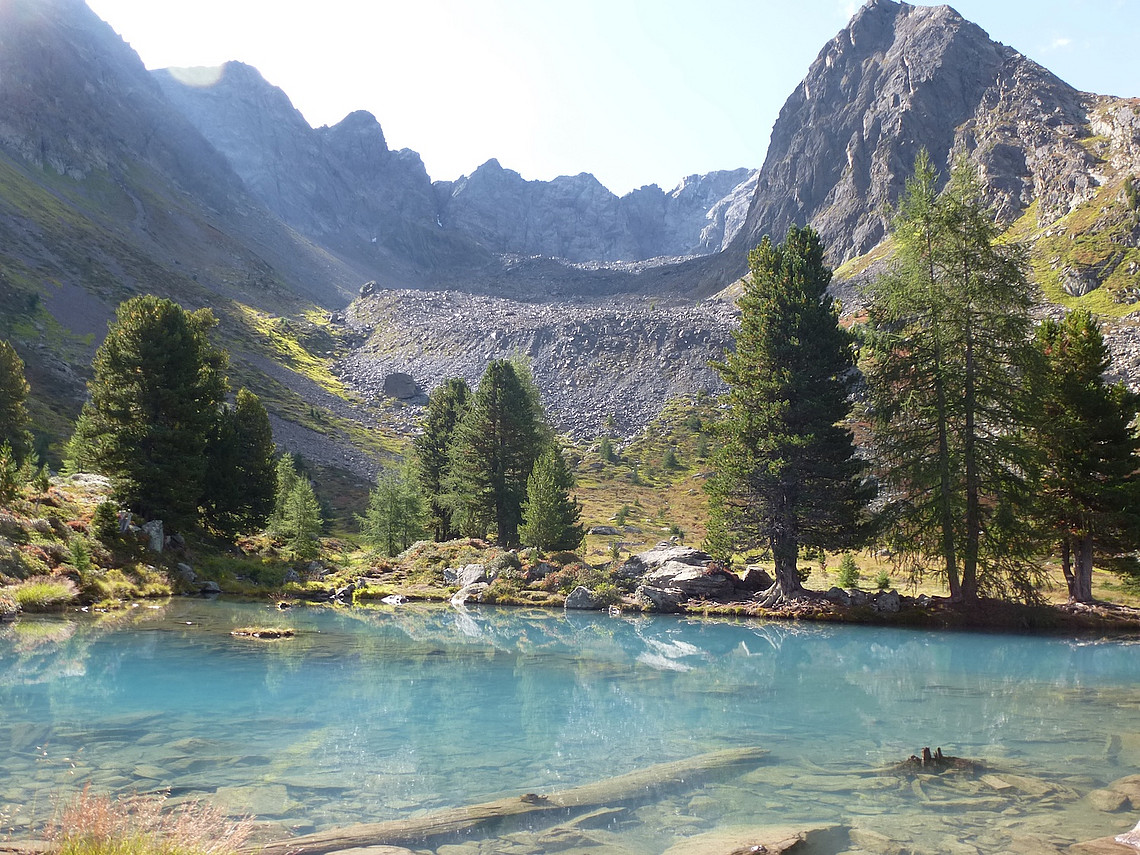
Hydrogeology
Groundwater is a vital resource for water supply and ecosystems. It reacts more slowly to changes than surface water, which is why hydrogeological research investigates the impacts of climate change and human intervention. Indirect effects such as changes in vegetation or land use pose particular challenges. Alpine hydrogeology focuses on groundwater in mountain regions characterised by fractured, karstified or porous rock. The aim is the sustainable use and protection of this resource, as human activities are placing an increasing strain on the Alpine region.
Soil Mechanics, Foundation Engineering and Numerical Geotechnics
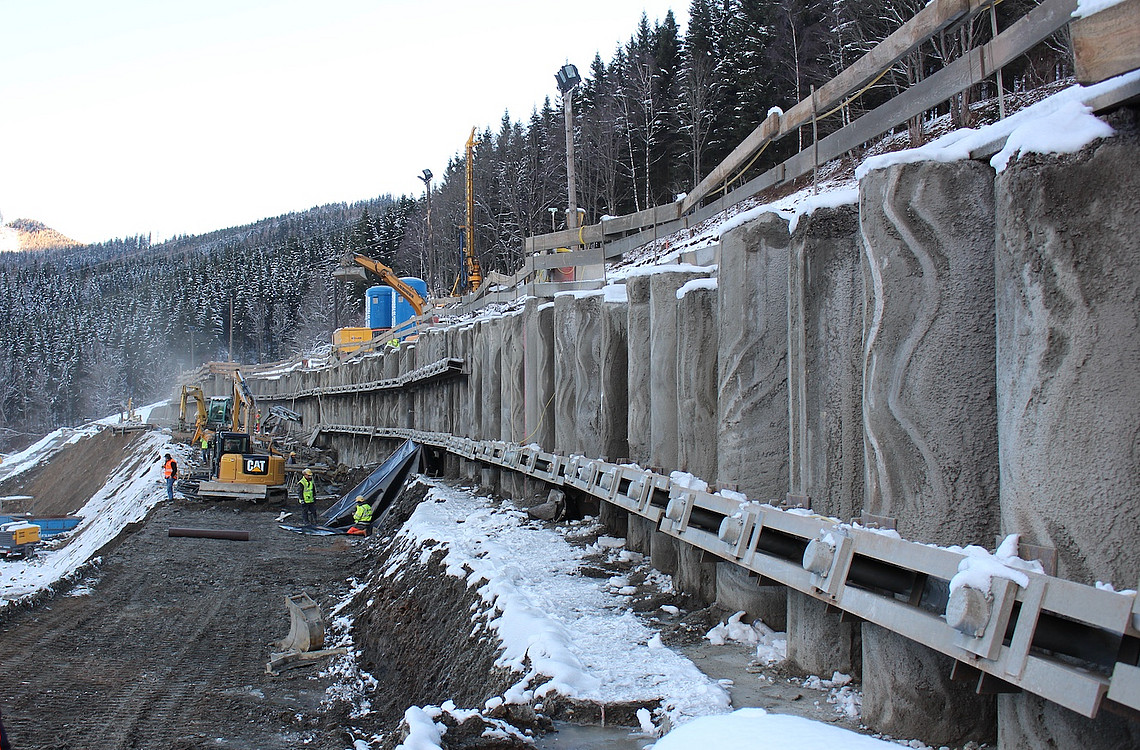
Soil mechanics forms the theoretical basis of foundation engineering and examines the properties of soils and their interaction with structures. It encompasses modelling concepts, tests and calculation methods relating to the loading and deformation of structures. Foundation engineering deals with the construction of structures in and on the ground, whereby construction methods depend heavily on the ground conditions. Numerical geotechnics extends these approaches through the development of high-quality material constitutive equations and the application of complex three-dimensional finite element analyses to solve geotechnical problems with precision.
Engineering geology
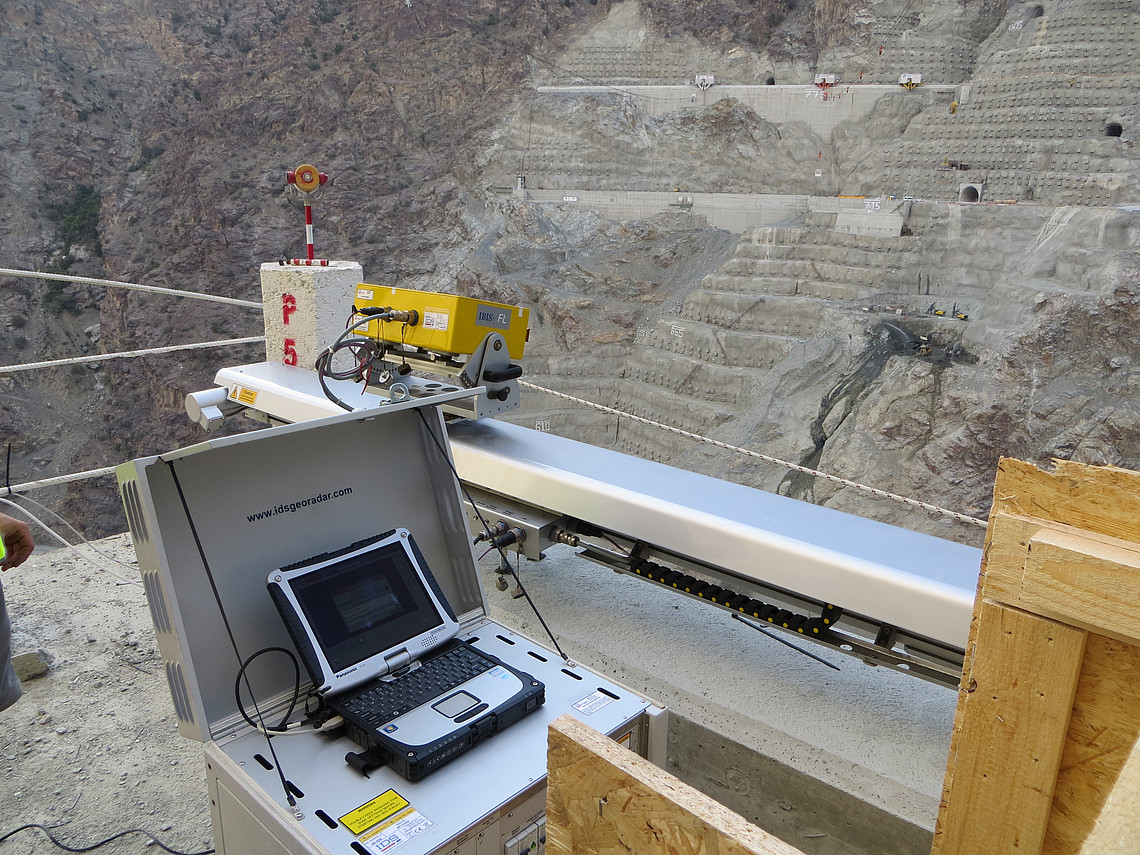
Engineering geology plays a central role in the safety of structures and the monitoring of geological processes. Remote sensing methods such as InSAR, LiDAR and photogrammetry are used to map and monitor rock masses. Early warning systems help to identify risks such as landslides or erosion in fractured rock masses at an early stage, which is particularly essential for dams, tunnels and bridges. Geostatistical analyses and fracture network modelling also support the planning and construction of safe infrastructure.
Mineralogy and hydrogeochemistry
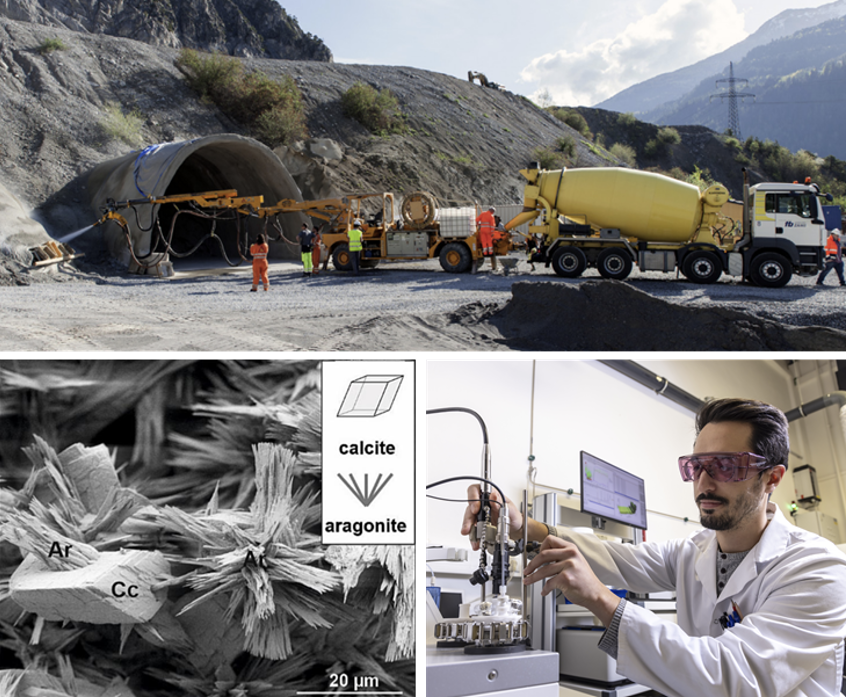
This discipline studies minerals and rocks, as well as their interactions with water, gases and biological processes. The research links fundamental processes near the Earth’s surface with current issues relating to the environment and climate: the formation of sedimentary sequences, the utilisation of mineral residues, the development of novel inorganic materials, water quality, sintering/corrosion, CO₂ storage, and more. The aim is to gain a better understanding of natural and anthropogenic material cycles and environmental changes. To this end, experimental approaches, (hydro)geochemical modelling and high-resolution petrographic, mineralogical, isotopic geochemical and spectroscopic methods are combined – from the atomic scale up to the Earth system.
To the article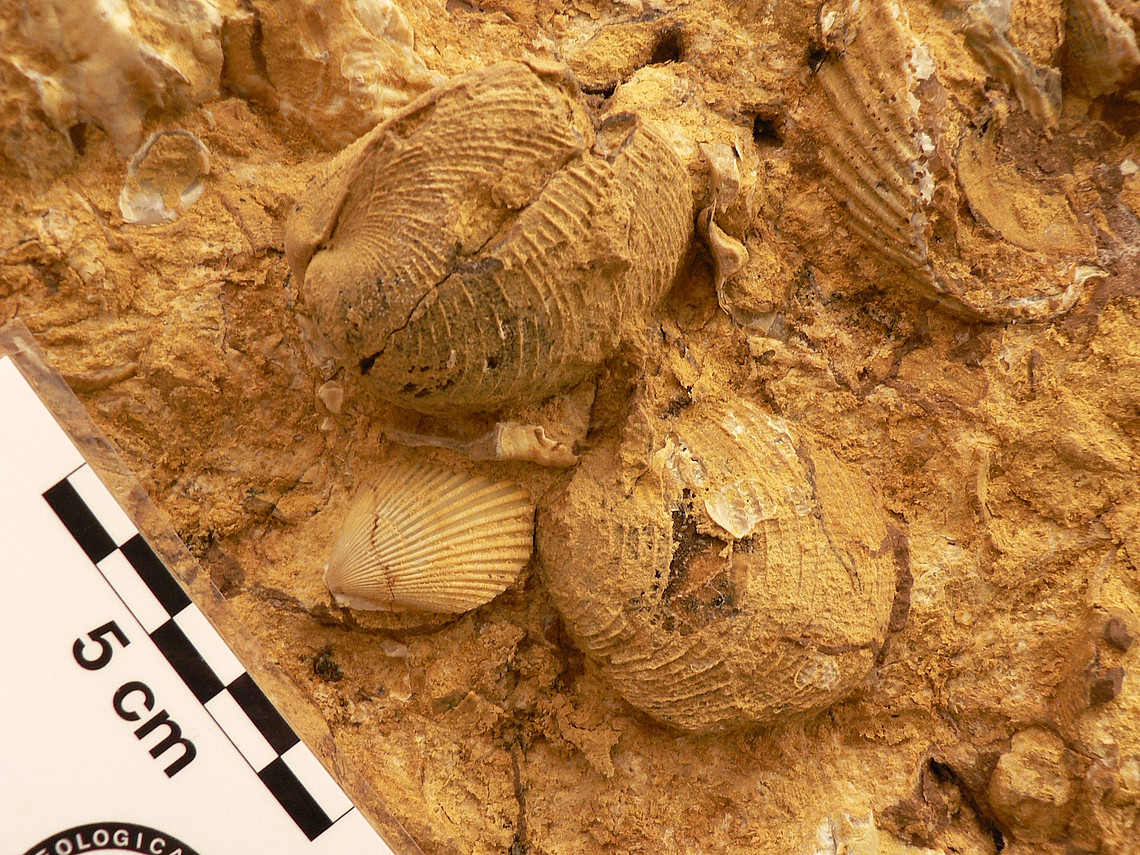
Palaeontology and stratigraphy
Palaeontology studies the history of life on Earth using fossils, which provide evidence of evolution, biodiversity, ecological crises and past climates. It combines biology and geology and applies the principle of superposition to understand past processes. Stratigraphy investigates the chronological sequence and spatial relationships of rock formations in order to reconstruct Earth’s history in detail. It combines various sub-disciplines such as biostratigraphy and magnetostratigraphy to place changes in climate and evolution within a temporal and spatial context. The closely related fields of geobiology and palaeoclimatology provide important insights into the dynamics of the Earth system and the impacts of climate change.
To the article